

Finding the best full body workout routines for beginners at home used to feel like an impossible chore. I remember staring at my living room rug, feeling completely overwhelmed by flashy fitness influencers and expensive gear. You do not need a gym membership to build a body you feel proud of. All it takes is some open floor space, a solid plan, and twenty minutes of your time.
Clearing Your Space and Preparing Your Mind
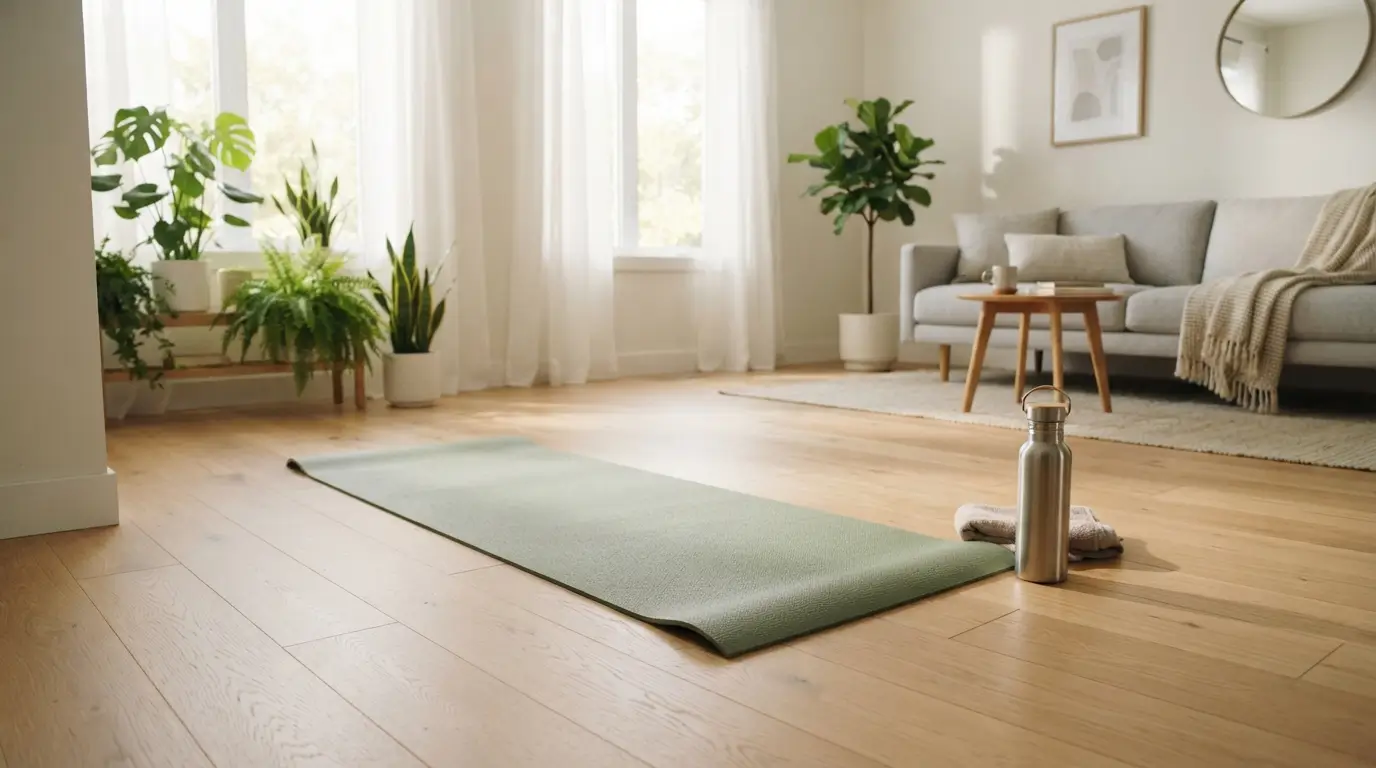
Creating a dedicated workout zone is the first physical step to turning your living room into a functional gym. Choosing the best full body workout routines for beginners at home does not require a gym membership or heavy gear, but it does require a bit of physical preparation to keep you safe. Simply slide your coffee table out of the way, roll out a basic yoga mat, and ensure you can extend your arms and legs fully without hitting any furniture. Having this physical boundary helps trigger a mental switch, signaling to your brain that it is time to work.
Also Read; Top Exercise Programs for Stay at Home Parents 2026
I used to try exercising right next to my unmade bed, but I quickly realized that clearing a specific spot made me feel far more committed. Keep a water bottle nearby and turn off your phone notifications so you can stay fully locked in for the next twenty minutes. Focus on creating a space that feels clean, open, and free of immediate distractions. It also helps to keep your gear stored in this exact area so you never waste time hunting for it.
Mastering the Five Fundamental Movement Patterns
Every successful fitness program relies on a handful of basic movement categories rather than a long list of complex exercises. To get the most out of your training, you must focus on movements that target your entire body at once. These categories include the squat, the hinge, the push, the pull, and the core carry. Squats work your thighs and glutes, hinges target your hamstrings, pushes engage your chest and shoulders, while pulling movements work your back.
When you organize your training around these functional actions, you ensure no muscle group gets left behind. Most people make the mistake of focusing only on the muscles they can see in the mirror, which leads to imbalances and poor posture over time. By balancing these five patterns, you build a foundation of functional strength that carries over into your daily life. I spent years ignoring pulling movements because they were harder to do at home, and my shoulders paid the price until I corrected my routine.
Structuring the Best Full Body Workout Routines for Beginners at Home
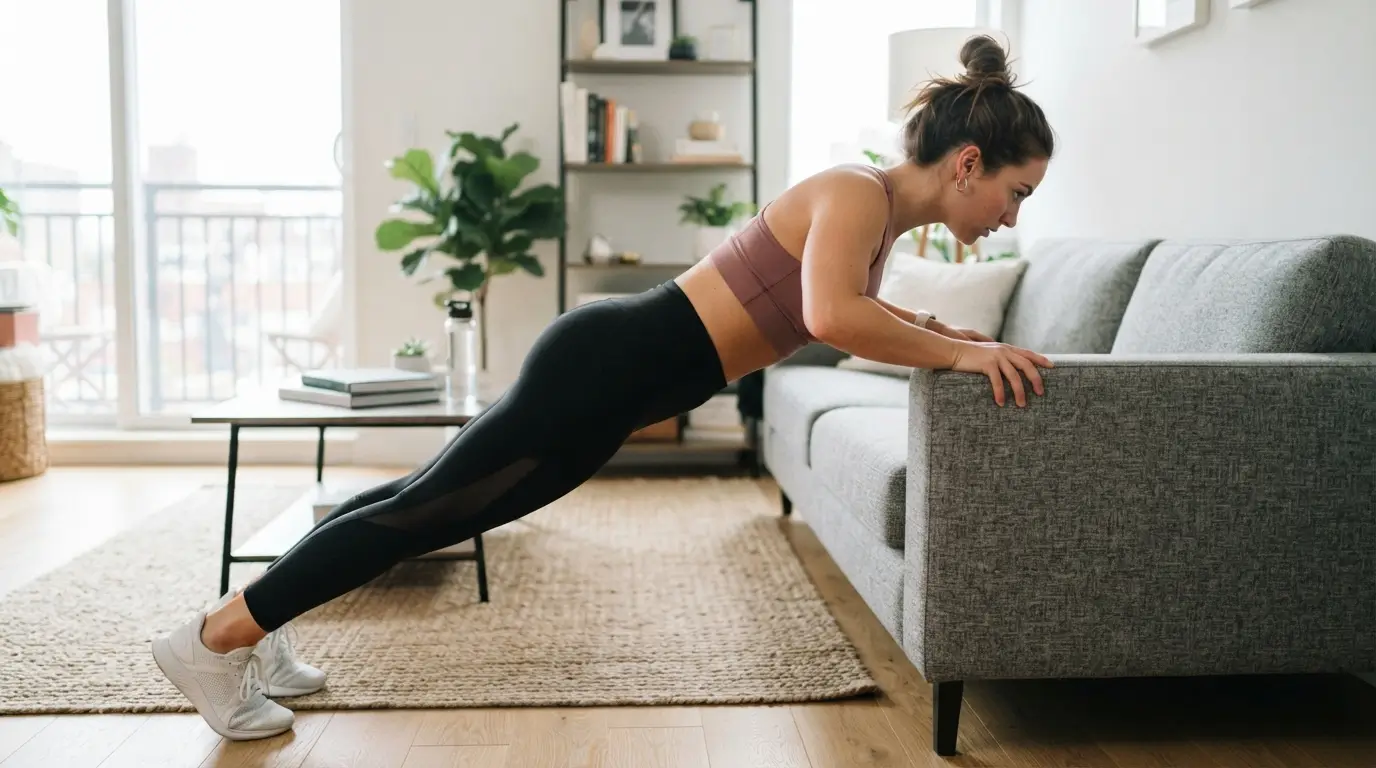
Putting your exercises together into a cohesive flow prevents you from wasting energy wandering around your house wondering what to do next. The best full body workout routines for beginners at home always prioritize simplicity and consistency over extreme intensity. A great starting format is a circuit, where you perform one exercise after another with short rest periods in between. For example, you can perform bodyweight squats, followed by incline pushups against a couch, followed by a glute bridge, and finish with a thirty-second plank.
Rest for two full minutes after completing the circuit, then repeat it three times. This style of training keeps your heart rate elevated while building muscle endurance without burning you out. If you find yourself gasping for air, increase your rest periods because the goal is to practice perfect form. You want to finish each session feeling energized rather than completely exhausted. Over time, you can add light dumbbell variations or resistance bands to these exact movements to keep challenging your muscles.
Modifying Exercises for Your Current Fitness Level
Adjusting the difficulty of an exercise is essential because everyone starts their fitness journey at a different place. You should never feel bad about modifying a movement if it feels too painful or difficult to complete with clean form. If standard pushups on the floor are too challenging, move your hands to a wall, a kitchen counter, or the sturdy arm of a sofa to reduce the load. For lower body movements, you can use a sturdy dining chair to guide your squats, gently touching your hips to the seat before standing back up.
Modifying movements keeps your joints safe while still stimulating your muscles. I spent months doing pushups on my knees because my wrist joints could not handle the full weight, and that adjustment saved me from a nasty injury. Remember that progressive overload is the real secret, meaning you slowly increase the difficulty over several weeks as your body adapts. You can make an exercise harder by slowing down your movement speed, holding a position for a second longer, or increasing your total repetitions.
Scheduling Your Workouts and Honoring Rest
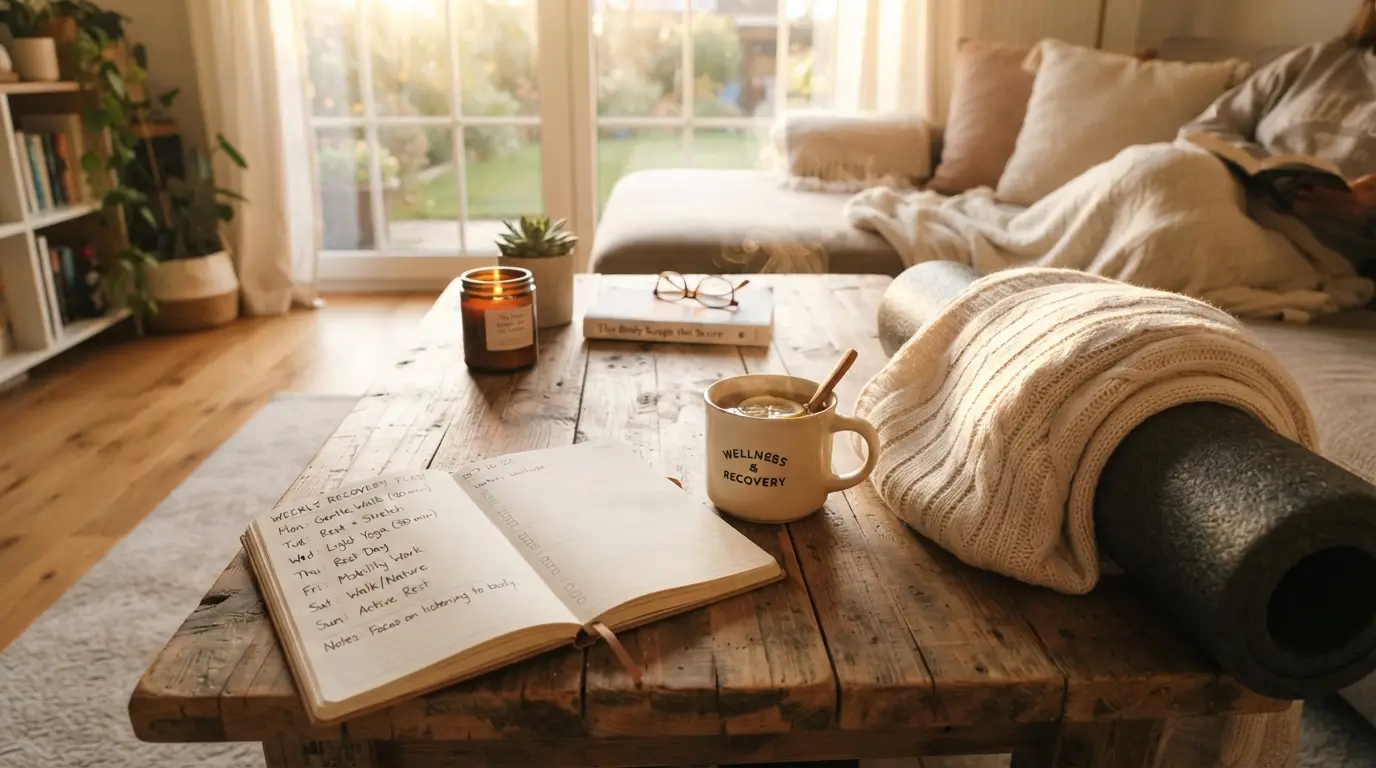
Consistency beats intensity every single time, which is why a realistic schedule is your most valuable asset. Aim to perform your routine three times per week, ideally with a full rest day between each active session. A classic schedule is Monday, Wednesday, and Friday, leaving your weekends completely free for recovery and leisure. When you are looking to build consistency with the best full body workout routines for beginners at home, you have to make peace with the recovery process.
Your muscles do not grow while you are actually working out, they grow when you are resting and repairing. If you try to train hard seven days a week, your body will eventually rebel in the form of extreme fatigue, soreness, or injury. Listen to your body and prioritize quality sleep alongside a protein-rich diet to help your muscles heal. On your off days, focus on light activities like walking, gentle stretching, or simply relaxing. Recovery is not a reward for working out, it is an active part of the muscle building process.
Tracking Progress Beyond the Bathroom Scale
Looking at the scale is often the least helpful way to measure your physical progress when starting a new routine. Your body weight can fluctuate wildly due to water retention, salt intake, and hormone shifts, which can easily discourage you. Instead, focus on performance metrics, such as performing two extra squats or holding a plank for ten seconds longer than last week. You can also track how you feel, noting changes in your daily energy levels, your sleep quality, and how easily you carry groceries up the stairs.
Taking weekly photos in the same lighting can reveal muscle definition changes that a scale completely misses. Write your workout numbers down in a simple notebook or a phone app to keep yourself honest and motivated. Seeing your physical improvements on paper provides a massive mental boost that keeps you showing up week after week. I highly recommend taking measurements of your arms, waist, and thighs once a month to see real proof of your hard work.
Fueling Your Body and Staying Hydrated
Eating the right foods is just as important as the physical exercises you do in your living room. To rebuild muscle tissues damaged during your workouts, you must supply your body with enough protein and clean nutrients. You do not need to follow a strict, miserable diet to see results from your home routines. Focus on adding more whole foods to your plate, such as lean meats, eggs, Greek yogurt, and plenty of colorful vegetables.
Hydration is another massive piece of the puzzle that many beginners completely ignore until they get a headache mid workout. Try to drink water throughout the day, rather than chugging a whole bottle right before you start exercising. I noticed a massive change in my strength and recovery speed when I started prioritizing a high-protein breakfast shortly after my morning workouts. Think of food as the high-quality fuel that powers your home training sessions and allows your muscles to repair properly.

Designing a Quick Warm-Up and Cool-Down Routine
Jumping straight into an intense circuit without preparing your joints is a quick path to a pulled muscle. A proper warm-up should only take about three to five minutes, focusing on dynamic movements that get your blood flowing and joints lubricated. You can perform light arm circles, torso twists, and gentle bodyweight lunges to tell your body that it is time to move. After you finish your main workout, spend another three minutes performing static stretches to kickstart your recovery.
Also Read; Easy Workout Plans for Night Shift Workers 2026
Focus on stretching out your hamstrings, chest, and hip flexors while taking deep, calming breaths to lower your heart rate. Skipping these simple steps is incredibly tempting when you are short on time, but they are crucial for maintaining joint mobility. I used to skip my cool-down completely until my lower back started feeling incredibly stiff during my workdays. Incorporating a quick stretch session at the end of each workout keeps your body feeling loose, agile, and ready for your next training session.
Frequently Asked Questions
Do I need to buy weights to get a good workout at home?
You do not need any expensive equipment to get started. Bodyweight exercises use your own gravity as resistance, which is more than enough to build strength as a beginner. If you want to add weight later, you can easily use common household items like water jugs or a backpack filled with books.
How long should a beginner workout session last?
A solid session should take about twenty to thirty minutes, including a quick warm-up. Keeping workouts short makes them easier to fit into a busy schedule and prevents you from overtaxing your muscles early on. Consistency matters far more than spending hours exercising.
How often should I do the best full body workout routines for beginners at home?
Performing your routine three times per week with a full rest day between sessions is the ideal sweet spot. This schedule gives your muscles plenty of time to repair and grow stronger. Training every single day can lead to extreme fatigue and potential injuries.
Is it safe to do these routines if I have bad knees?
Yes, but you must modify the movements to protect your joints. You can perform box squats onto a chair or do glute bridges on the floor to work your legs without putting stress on your knees. Always stop immediately if an exercise causes sharp pain.
Conclusion
Taking that first step to exercise in your living room can feel a bit awkward, but it gets much easier once you establish a rhythm. Keep your movements simple, stay consistent with your schedule, and focus on how much stronger you feel each week. Which of these movements are you going to try first in your living room?