
How to Lose Belly Fat Without Doing Crunches
For years I was doing hundreds of sit-ups each night. I’d lie on my living room floor, sweating through my t-shirt and onto my carpet, knowing that if I just did one more set, the belly would be flat. It never happened. I complained about the back pain and neck pain and the fat in my belly remained.
You’ve been there, you are probably reading this. You want to have a narrow waist, however the age-old suggestion sounds incorrect. The fitness industry has fed us a myth that a muscle burn is the same as fat burn. It does not.
You can lose belly fat without doing a single crunch. For many, in fact, skipping the crunches equals better results. This has been going on in my own life and with my clients I have coached in the past 10 years. It simply has to do with knowing the energy processing in your body and what belly fat really is.
The Myth of Spot Reduction
Let’s put the spot reduction myth to death now. You can’t burn fat directly from your abdominal area by targeting the abdominal muscles. During exercise, the body utilizes energy from all parts of the body, not just the part being moved.
The rectus abdominis muscle (the “six pack” muscle) is formed by doing crunches. If you have fat over this muscle, then creating muscle underneath will only make the fat more distant. You may end up appearing fatter, not skinnier.
If you want to get rid of fat, you need to reduce your body fat percentage. This needs to be done in an integrated way. Triglycerides have to be released from fat stores throughout the body. Fat loss is determined by your genes. For many of us the stomach is the last place.
Also Read: Easy Meal Prep for People Who Go to the Gym 2026
Visceral Fat vs Subcutaneous Fat
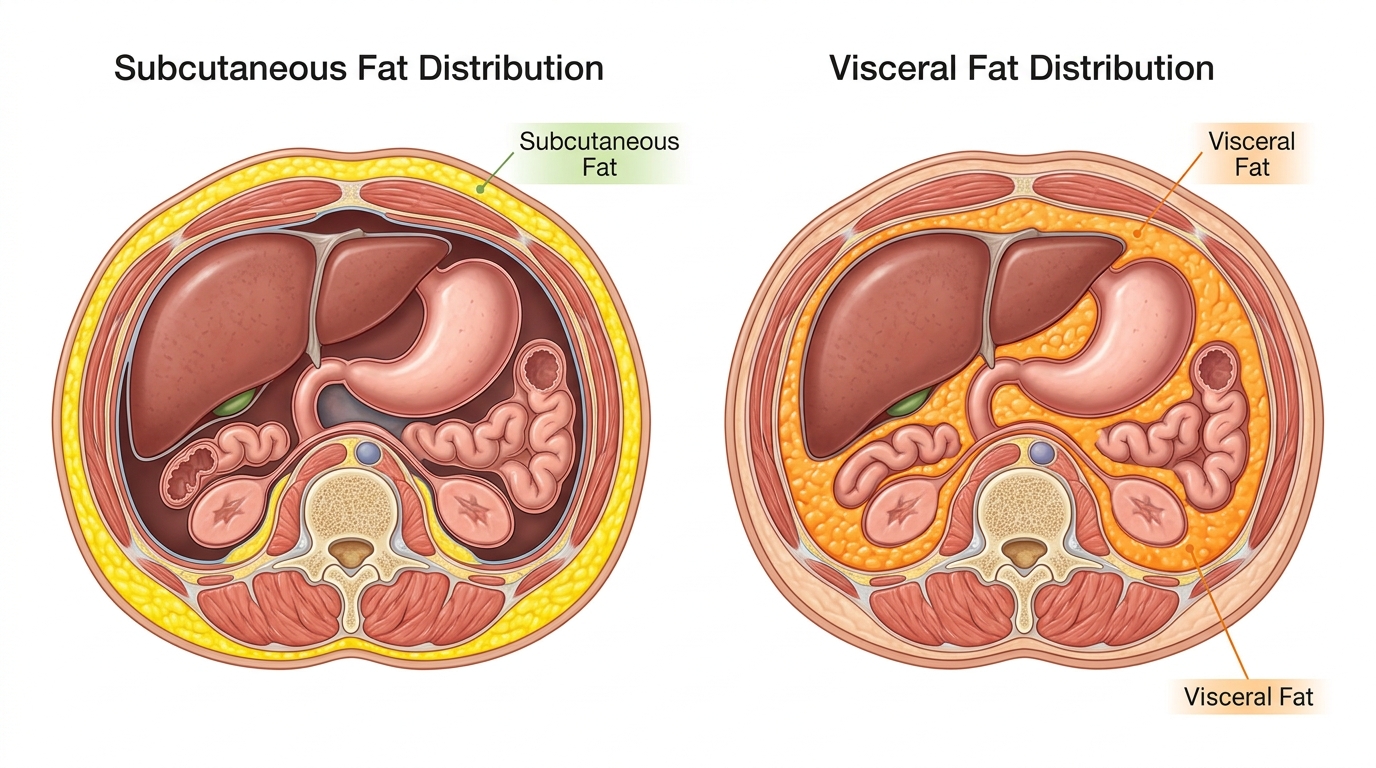
There are different types of belly fat. Knowing the difference allows you to approach the problem differently.
Subcutaneous Fat
This is the fat that you can pinch between your fingers. It is located just beneath the skin. It may be a bit of a hassle to look at, but it’s not harmful to metabolism.
Visceral Fat
This is the secret enemy. It protects and cushions organs within your body. It causes the tummy to become hard and to stick up like a beer belly. Visceral fat is an active fat. It sends inflammation promoting compounds into your body and disrupts hormones. Such fat can be related to heart disease and insulin resistance.
The good news? Usually, visceral fat gets reduced quicker than subcutaneous fat when you change your diet and exercise. Your tummy size will usually shrink ahead of your arm and/or leg size when you begin the proper protocol.
The Diet Factor: It’s Not All About Calories
A poor diet can’t be fixed with exercise. The phrase is a cliché but it’s true. You can lose belly fat even more by changing the way you do things in your kitchen than the way you do things in your gym.
The Insulin Connection
Too many simple carbohydrates raise blood sugar. Insulin is released by your body. Insulin is a hormone which informs your cells to stop burning fat and to store fat. If you constantly have high insulin levels, your body literally locks the doors to your fat cells.
In order to correct this, insulin sensitivity is required. Eat whole foods. Swap out breads and pasta for fibre rich alternatives. Protein is key to this. It has a high thermic effect, that is, your body expends calories while digesting it. It will help you feel satisfied, too.
The Alcohol Trap
I’m a big fan of a good craft beer and as much as anyone else, I don’t like to see that fat loss progress derailed by a glass of liquid. The liver will use the alcohol you consumed before it can burn fat. Alcohol also increases cortisol. When I stopped drinking alcohol for the past 2 weeks, I could see my tummy was definitely flatter. It was not all the weight of water, it was all the balance of hormones come back.
Also Read: How to Eat Healthy on a Tight Budget for Fitness
Exercises That Actually Work
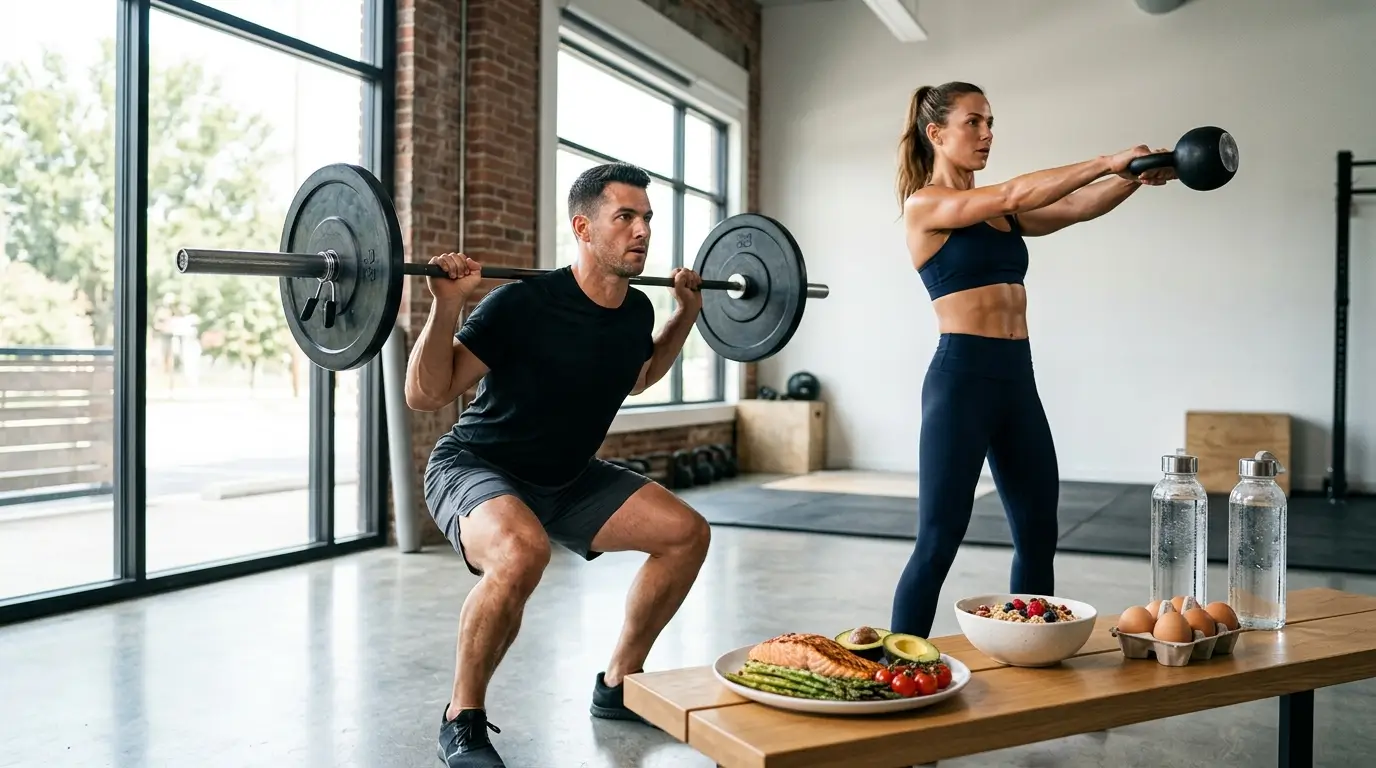
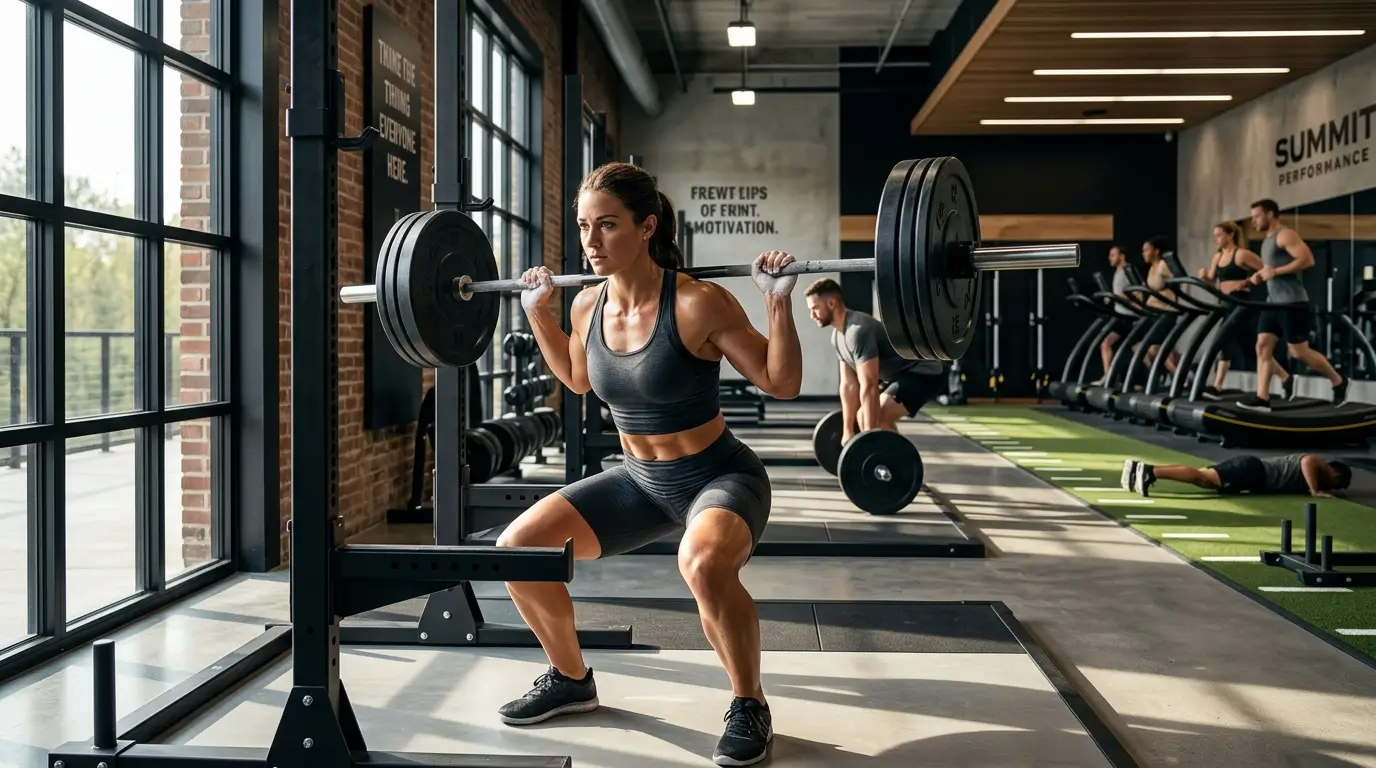
So what do we do when we’re not doing crunches? Emphasize compound movements. These exercises use multiple large muscle groups at the same time. They are burning off an incredible number of calories and cause a hormonal reaction that helps to burn fat.
Compound Resistance Training
Don’t worry about “toning” anymore and look to strength building instead. When you perform exercises such as squats, deadlifts and push-ups, you are required to maintain balance in your spine because your core is working to stabilize the spine. You’ve used your abs but never flexed them directly. You will need to work more core than on a set of crunches.
HIIT for Fat Burning
High Intensity Interval Training (HIIT) is effective! Work hard for a short period, rest. This leads to a higher EPOC, excess post exercise oxygen consumption. Your body burns more calories for hours after you’re done. Sprint for 30 seconds, walk for 60 seconds. Do this for 15 minutes. It outperforms jogging on a treadmill for 1 hour.
Comparison of Exercises
| Exercise | Muscles Used | Calorie Burn |
|---|---|---|
| Sit-ups | Abs only | Low |
| Squat | Legs, Glutes, Core | High |
| Sprinting | Full Body | Very High |
| Plank | Core, Shoulders | Moderate |
The No-Crunch Core Routine
Still need to have a solid core. Helps keep your back safe and straightens the posture. Just want to train the core as they’re designed to work: anti-gravity and anti-rotation stabilizer.
The Plank
The plank is a strength builder that avoids the back twisting of a crunch. Keep your head aligned to your heels. Keep hips from sagging. The plank pose itself is great if you can do it for two minutes, but if you can do it with a bit of movement, then you’ve got even better. Shoulder taps are a good progression.
The Dead Bug
This is the best exercise for deep abs muscles for me. While lying on your back, arms above your head, legs in the air with knees bent at 90°, give a leg up! Slowly lower your right arm behind your head and extend your left leg straight out. Maintain a flat back. Come back to center and cross over to the other side. This allows your body to brace.
Bird Dog
Begin on all fours. Stretch out opposite arm and opposite leg. Keep your back flat like a table. This helps you to develop the coordination and stability of your spine.
Bracing vs Hollowing
This is a tech tip that will make all the difference. When most people think about their abs they suck in their stomach. This is known as hollowing. It is weak.
A good brace is key to real strength. If an individual is going to punch you in your stomach, imagine that. You would tighten the whole length of your core to take the impact of the blow. That is a brace. Do this during workouts. Press, press, press in the core for 360 degrees. This helps to keep your back from curving and involves more muscles.
The Role of NEAT
The activity we do outside the gym is something that we tend to ignore. It is known as NEAT — Non-Exercise Activity Thermogenesis. Walking, cleaning, gardening, and fidgeting are included.
Being sedentary does not mean it is 45 minutes of exercising. If you sit at a desk all day after 45 minutes of exercise, you are still seated. Walking more each day is an understated method to shed belly fat. Walking is a low impact exercise. It does not release cortisol as much as high intensity cardio does. Aim for 8,000 to 10,000 steps a day. It is not thrilling but it does work.
Stress and Sleep
The belly fat will remain regardless of your best efforts to eat well and exercise to make it go away, if you’re stressing out.
Stress results in cortisol being produced by your bodies. From an evolutionary perspective, this enabled us to cope with famines. In today’s world, cortisol is a signal for the body to deposit fat deep in the belly as a survival reserve.
Sleep is the base building block. When you get less than 6 hours of sleep, your ghrelin increases. This is the stomach hormone which regulates hunger. Your leptin levels go down. That’s the hormone that tells you that you’re full. You will be craving sugar and carbs.
When to Hire a Professional
There is a time when things just hit a snag. You’ve followed all instructions correctly and the scales are still not moving. This could be because of some medical condition such as the thyroid disease or PCOS.
However, if this is the case, it’s worth paying to see a professional. Look up a registered dietitian in your area or an endocrinologist. Avoid using a standard Instagram coach. Look for credentials. The price of a personal trainer varies from $50 to $150 an hour, depending on the location. If you do this, look for one who knows body movement and not just bodybuilding.
Common Mistakes to Avoid
I do see it being done again and again.
- Eliminating all fats: You must have healthy fats to keep your hormones in check. Greet your avocados, olive oil and your nuts.
- Too much cardio: If you do too much cardiovascular exercise without strength training, you will lose muscle. Muscle uses more calories while at rest. You wish to retain it.
- Taking supplements: Fat burners are primarily caffeine and placebo. Purchase good food with your money.
- Impatience: Belly fat is hard to shake. It takes time. It’s important to practice with consistency and not intensity.
Final Thoughts
You can achieve a slimmer midriff without crunches. It’s frequently better. You attack the fat from all angles with compound movements, a clean diet and managing your stress.
Put the time spent on the floor to work. Get up. Squat heavy. Walk more. Eat real food. You’ll thank your waistline.
Frequently Asked Questions
Do Ab Belts or Vibration Machines Work?
No. The devices are purported to activate your muscles to burn fat. Although they may activate a muscle spasm, they burn too few calories to affect body fat. It is not possible to reduce fat by electricity.
How Much Protein Do I Need to Lose Belly Fat?
Experts recommend 0.8 to 1 gram of protein for each pound of body weight. For a 160 lb person, it is recommended to take 130 to 160 g of protein per day. This will help preserve muscle whilst you are losing fat.
Is Walking Enough to Lose Belly Fat?
Yes, if you have a balanced diet. Walking is a low impact, high calorie deficit exercise. It is the most underutilized fat burning instrument. It helps to regulate cortisol, thereby reducing belly fat in particular.
Why Is Lower Belly Fat So Hard to Lose?
One of the final reservoirs that hold fat in the body is the lower belly area. It has more alpha 2 receptors which prevent fat burning. It requires a prolonged period of low insulin levels and caloric deficit.
Can Stress Cause Belly Fat Even If I Am Thin?
Yes. It is possible to have what can be called “skinny fat.” Either too much or too little cortisol leads to visceral fat building up in the belly. Even fat is bulging out of the clothes, you can still be observed to be thin because of stress and organ fat.
What Is the Best Time to Eat to Stop Belly Fat?
No magic time for burning fat! But for others, intermittent fasting can be a strategy to keep insulin in check. Eating after 8 PM means that you get better sleep and your digestion gets a break.
How Long Does It Take to See Results?
It only takes a week to feel better. In the initial few weeks of starting a new program, it’s common to have a decrease in visceral fat. Subcutaneous fat will take longer. Notice the changes of your waistline after 4 to 12 weeks of regular work.